Control Center
Designing a daily work hub for hundreds of contract lawyers.
Ontra lawyers, especially those operating at scale, felt immense pain keeping on top of their work and making sense of their day-to-day. This results in more time spent on administrative work and the potential for missing client deadlines.
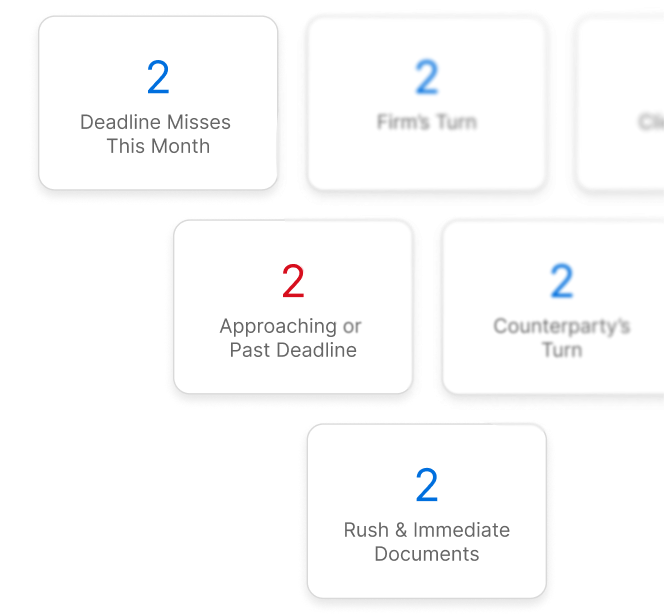
Control Center enables Ontra lawyers to quickly see what's in their court & how long they have to act. We surface reminders to follow up with counterparties and an accurate view of where each document is to reduce lawyer overhead in organizing their work.
We saw fast, organic adoption and strong feedback signaling lawyer use and value. Among a notoriously tech-resistant user base, usage tripled from EOQ1 to EOQ2. Deadline misses dropped 22% compared to before Control Center launched, and multiple lawyers told us it kept them from missing an obligation. This work also let the business send more documents to its highest-performing, friendliest firms at a lower rate, for an estimated $1M+ in annualized savings.
Solution Preview
| Name | Account | Last Activity | Time Left | Turn |
|---|---|---|---|---|
| Capricorn | Acme Corp. | Doc received | 0h 30m | Firm |
| Orion | Acme Corp. | Comments received | 2h 50m | Firm |
| Aquarius | Acme Corp. | Comments sent | — | Counterparty |
| Pisces | Acme Corp. | Comments sent | — | Counterparty |
| Milky Way | Acme Corp. | Comments sent | — | Counterparty |
| Virgo | Acme Corp. | Comments sent | — | Counterparty |
The Control Center screen builds up in four stages: first it's bare. Then it immediately lets the lawyer understand the state of affairs of their documents. Then it tracks proximity to deadlines and empowers firm admins with visibility into when deadlines are missed. Finally, it shows automatically-updated statuses for every document, along with how long they have to take action.
What I Drove
I framed the problem and facilitated team workshops.
With our learnings, I gave the team a clear problem: lawyers working at scale struggled to keep on top of their work, which meant more administrative time and a risk of missing client deadlines. I then facilitated a vision workshop and team ideation sessions to align the team on a solution.
I researched & de-risked what we built.
Two ideas seemed promising post-launch: Control Center in MS Word and adding an LLM summary of the table. I tested both with lawyers before we committed. Neither fit how they really work, so I brought that evidence to a review with leadership and we put the effort into other initiatives instead.
I defaulted the turnaround deadline to 8 hours, not 4.
Most preferred-network firms were already working to 4 hours. But a 4-hour default would have made life much harder for the 70%+ of firms outside that network, who were still processing documents. We set 8 to serve both groups and optimize for the majority.
One Fun Detail: In-Person Research
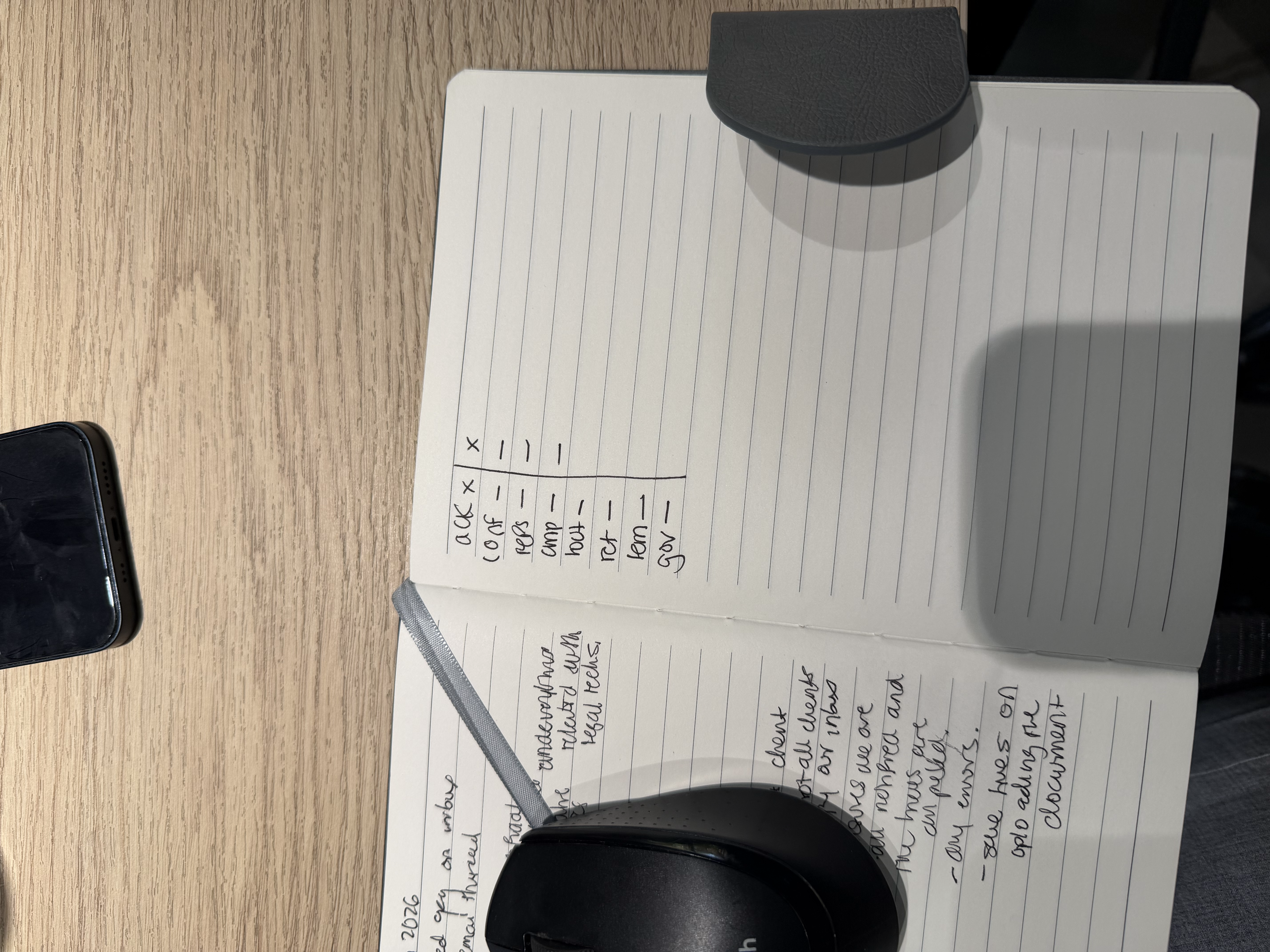
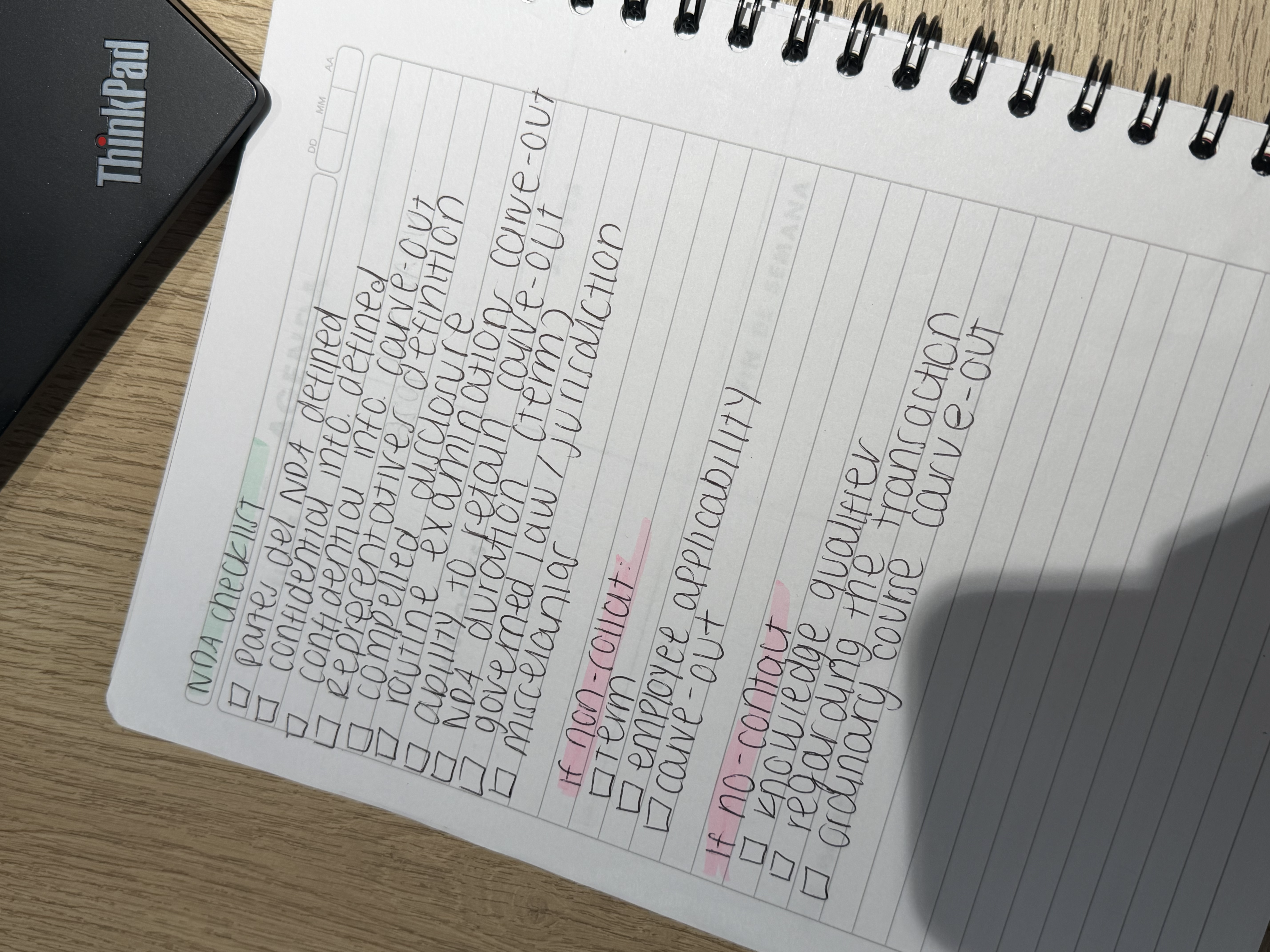
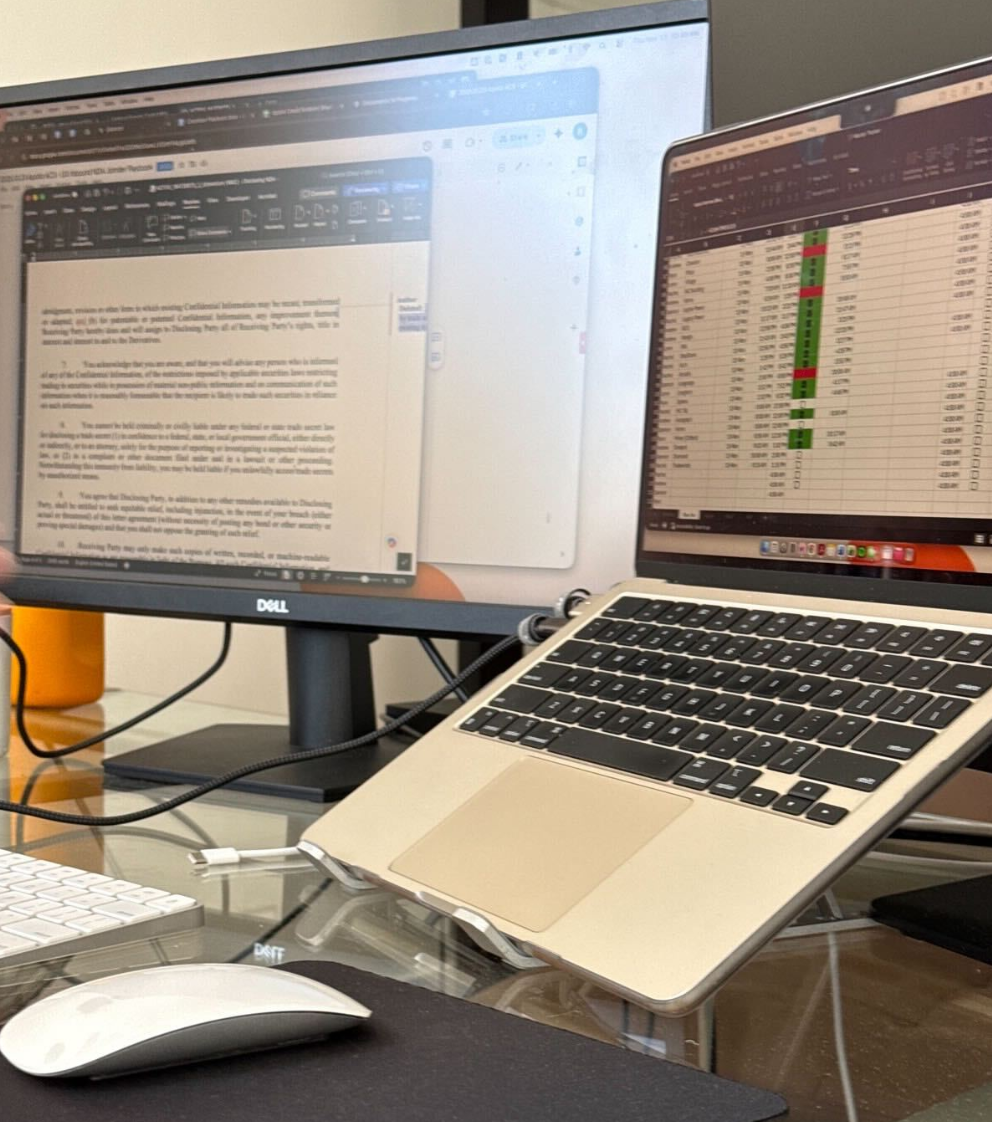
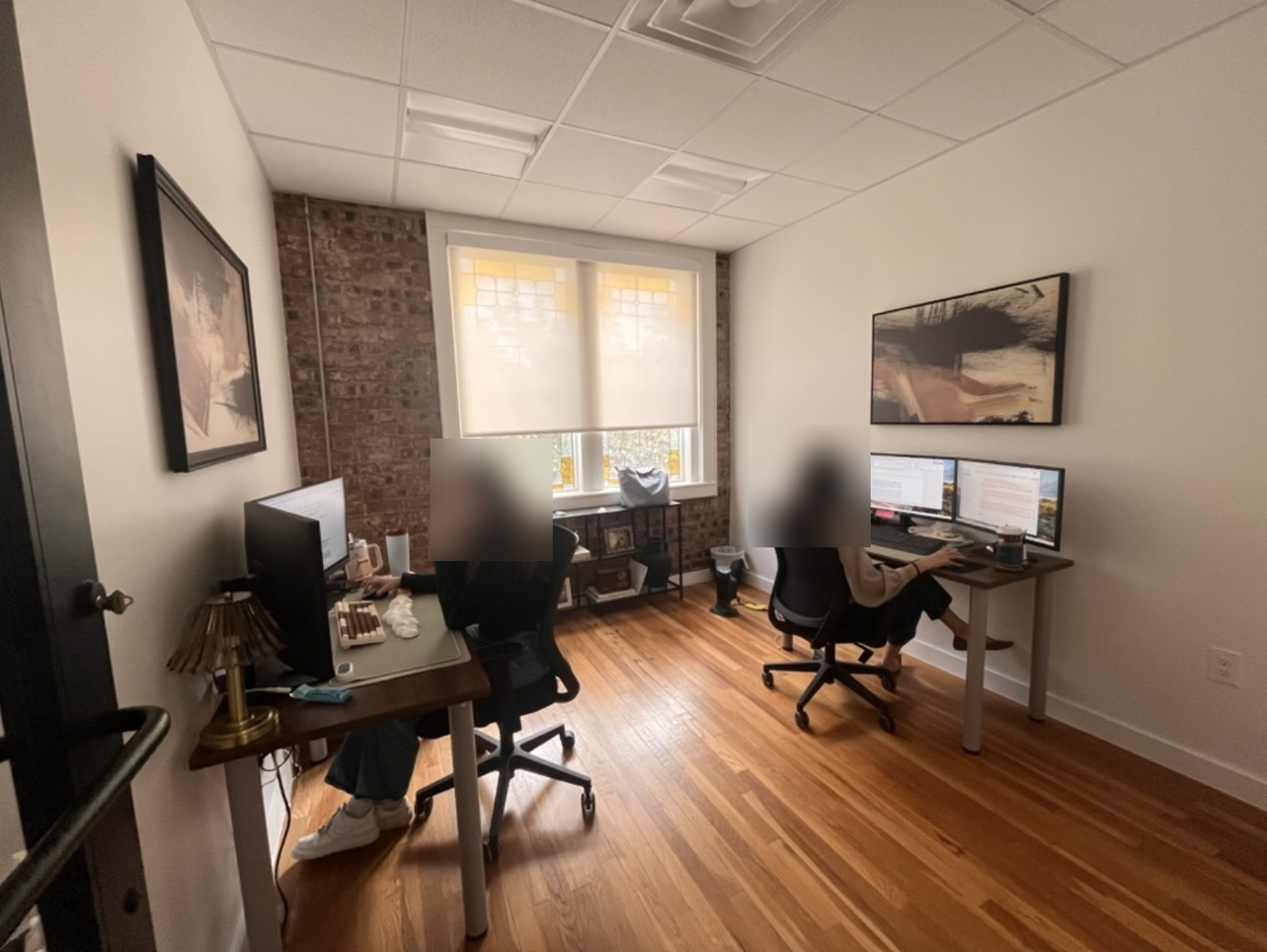
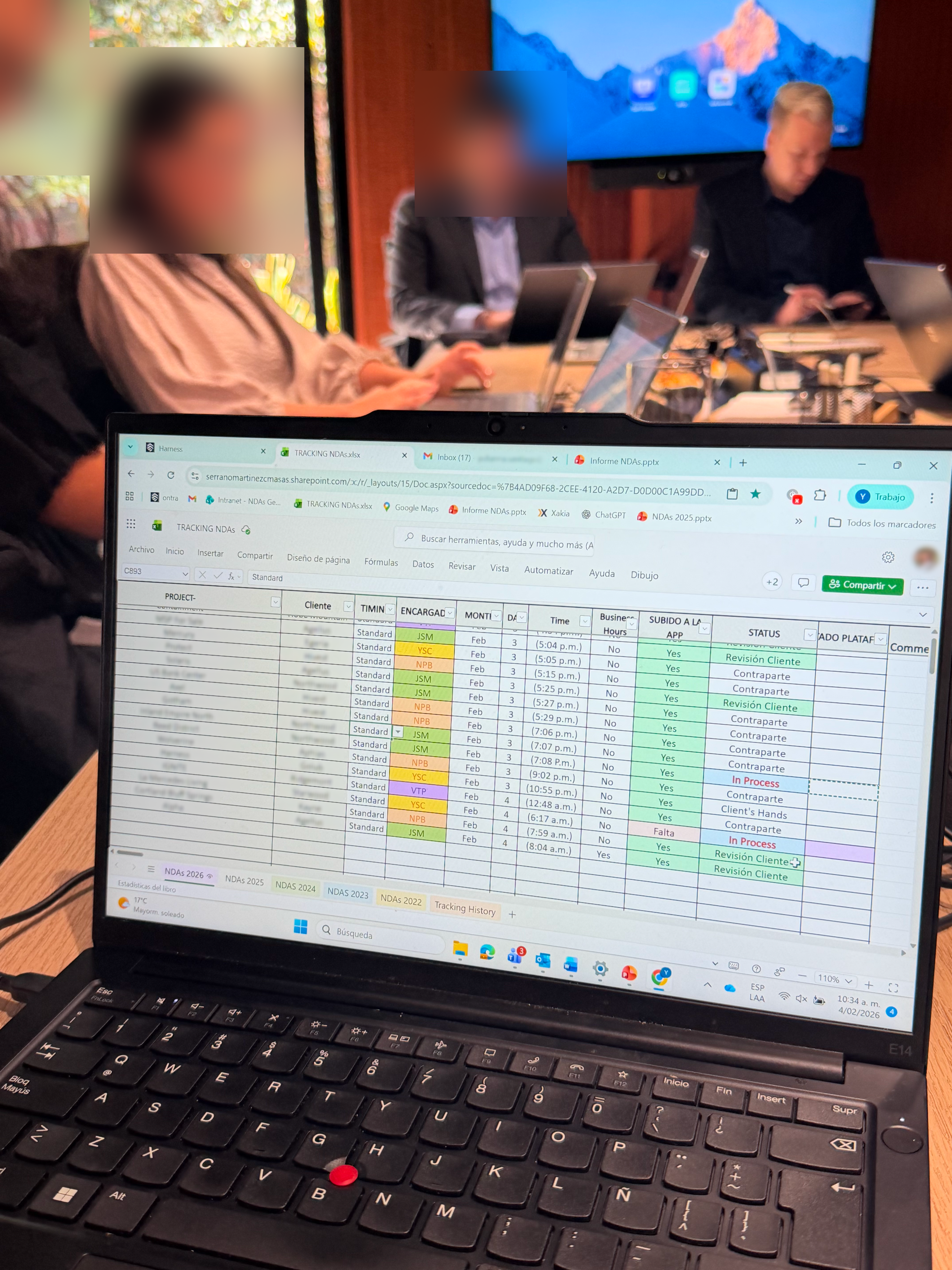
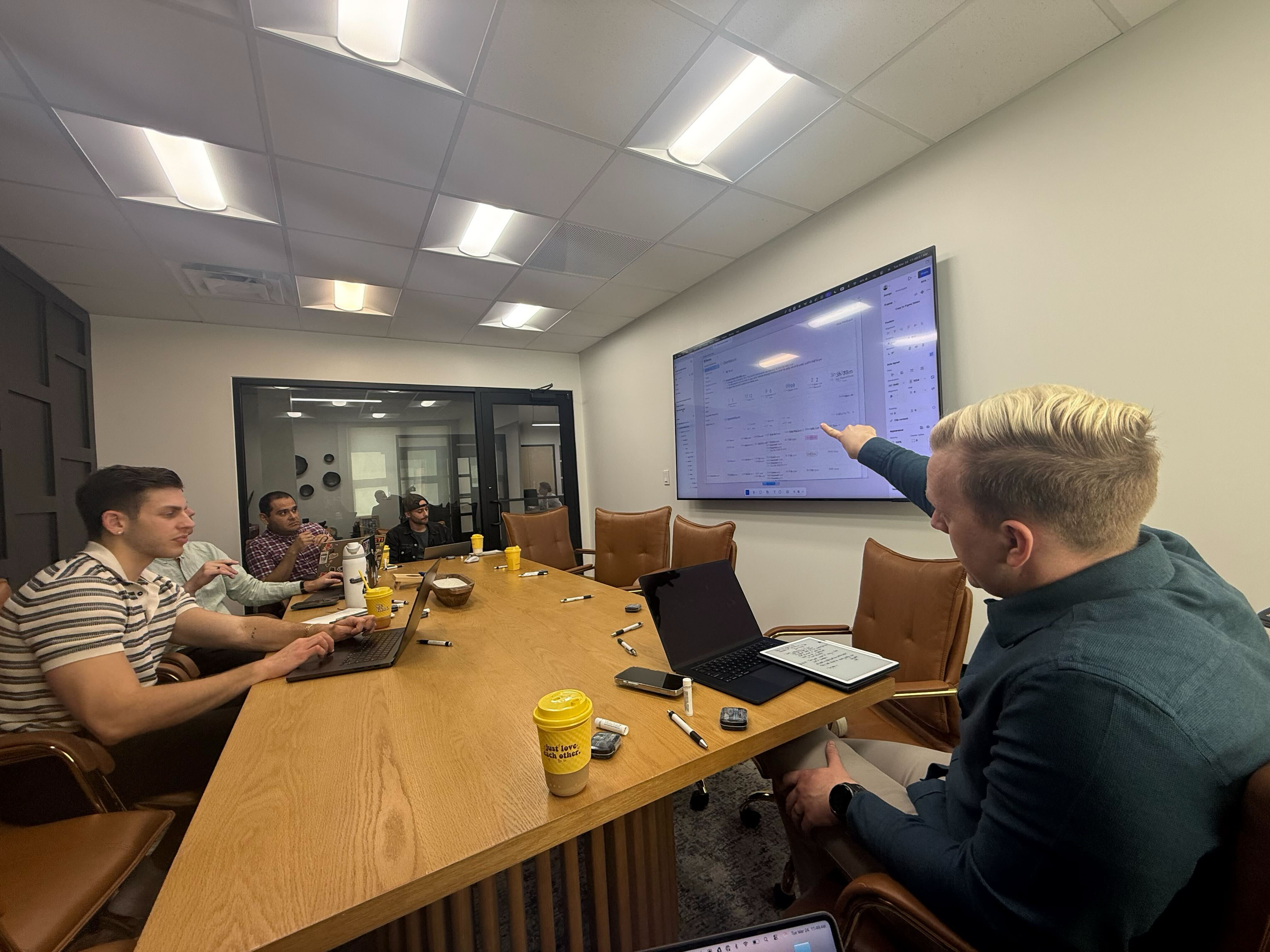
I had the opportunity to plan and execute three in-person trips to learn more about lawyers' workflows, preferences, and pain points as part of this project. That entailed deciding research questions, coaching teammates on how to conduct contextual inquiry, and drafting materials to validate and derisk. Our foundational research took place in November 2025 at a partner law firm in Dallas, Texas, and we went out to Bogotá, Colombia to do additional testing and broaden our understanding of the similarities and differences in the Ontra Legal Network. Our last trip was back to Dallas, where we had the opportunity to bring engineers and leverage AI for a rapid build-iterate sprint side-by-side with users. Here are some snapshots from the trips.
That's All I Can Say Here.
Confidentiality obligations restrict me from sharing more. Please do reach out, and I'd be happy to chat in detail & walk you through my process.